A test drive can tell you a lot about a used vehicle.
But it cannot tell you everything.
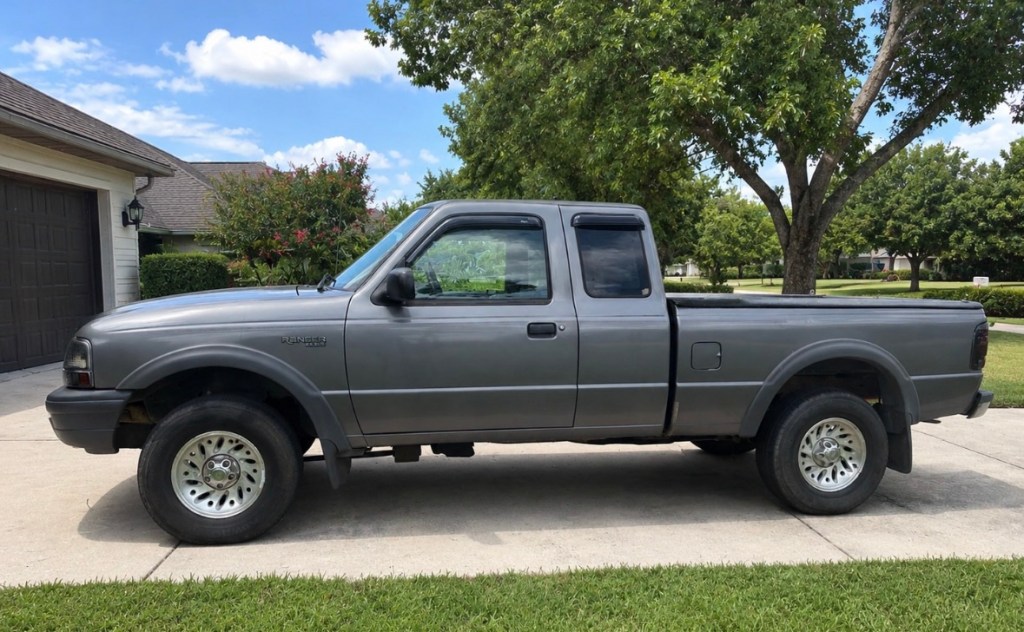
This 1998 Ford Ranger was purchased for $5,000 after appearing to run and drive normally. The buyer test-drove the truck and even drove it home from the seller’s location without an obvious major issue.
A few days later, that changed.
The Ranger developed a severe misfire on cylinder 3, leaving the vehicle unable to be driven.
What the Diagnosis Revealed
Once the truck was inspected by a technician, cylinder 3 immediately raised concerns.
A spark plug anti-fouler had been installed on that cylinder, along with what appeared to be a newer spark plug.
An anti-fouler can sometimes be used to help prevent a spark plug from becoming contaminated by excessive deposits. Its presence alone does not tell the entire story, but in this case it was an important clue.
When the spark plug was removed, the newer plug was already heavily coated with deposits.
That suggested the problem was not something that had suddenly developed a few days after the purchase.
Further diagnosis was needed.
The Real Problem Was Inside the Engine
The cylinder heads were removed to determine what was happening internally.
That is when the extent of the damage became clear.
Cylinder 3 had been experiencing a problem for a significant amount of time.
The ringlands on the piston were broken badly enough that the piston rings were exposed.
At that point, this was no longer a simple misfire repair.
The engine would require either a complete rebuild or replacement.
Estimated repair cost?
Approximately $3,500, depending on the replacement engine, parts, labor, and other issues discovered during the repair.
That means a truck purchased for $5,000 could quickly become an $8,500 investment before accounting for any other repairs an older vehicle may need.
But It Ran Fine on the Test Drive
And that is the part buyers should pay attention to.
The truck ran.
It drove.
It made the trip home.
Nothing during that short window made the buyer believe they were purchasing a vehicle that could need an engine within days.
Yet evidence found during the diagnosis indicated cylinder 3 had been experiencing problems well before the vehicle changed hands.
A test drive only tells you how the vehicle behaves during that test drive.
It cannot show you everything happening internally.
Small Clues Can Point to Bigger Problems
The anti-fouler and contaminated spark plug were especially important findings.
When inspecting a used vehicle, experienced technicians are not only looking for what is broken.
They are also looking for signs that someone may have already been dealing with a problem.
Recently replaced components, unusual modifications, mismatched parts, cleared diagnostic information, fluid conditions, abnormal deposits, leaks, noises, and other clues can sometimes tell a much bigger story.
None of those findings automatically means a vehicle should not be purchased.
But they may tell you where to investigate further before you hand over the money.
Could a Pre-Purchase Inspection Have Guaranteed This Would Be Found?
No inspection can guarantee that every internal engine problem will be discovered without disassembling the engine.
That would not be realistic.
But a thorough pre-purchase inspection gives a technician the opportunity to look for warning signs before the purchase is complete.
Depending on the vehicle and the symptoms present at the time, diagnostic scanning, spark plug condition, abnormal engine operation, fluid condition, visible repairs or modifications, and additional testing can provide reasons to investigate further.
Sometimes the most valuable finding during an inspection is not:
“This engine is definitely bad.”
It is:
“Something here does not look right. We need to know why before you buy it.”
That information can be enough to prevent a very expensive mistake.
The True Cost of Skipping the Inspection
The buyer paid:
Purchase price: $5,000
Potential engine repair or replacement:
Approximately $3,500
Potential total investment:
$8,500+
And that does not include the inconvenience of having a vehicle that became undriveable only days after purchasing it.
A pre-purchase inspection costs a fraction of what a major engine repair can cost.
You may still decide to buy the vehicle after an inspection.
You may negotiate a better price.
You may ask the seller for additional information.
Or you may decide to walk away.
The important part is having as much information as possible before the vehicle becomes your problem.
At Inspect My Automobile, our mobile pre-purchase inspections are designed to help buyers make informed decisions before purchasing a used vehicle.
Because a vehicle can run perfectly fine today and still be hiding a much bigger story.
 inspectmyautomobile